
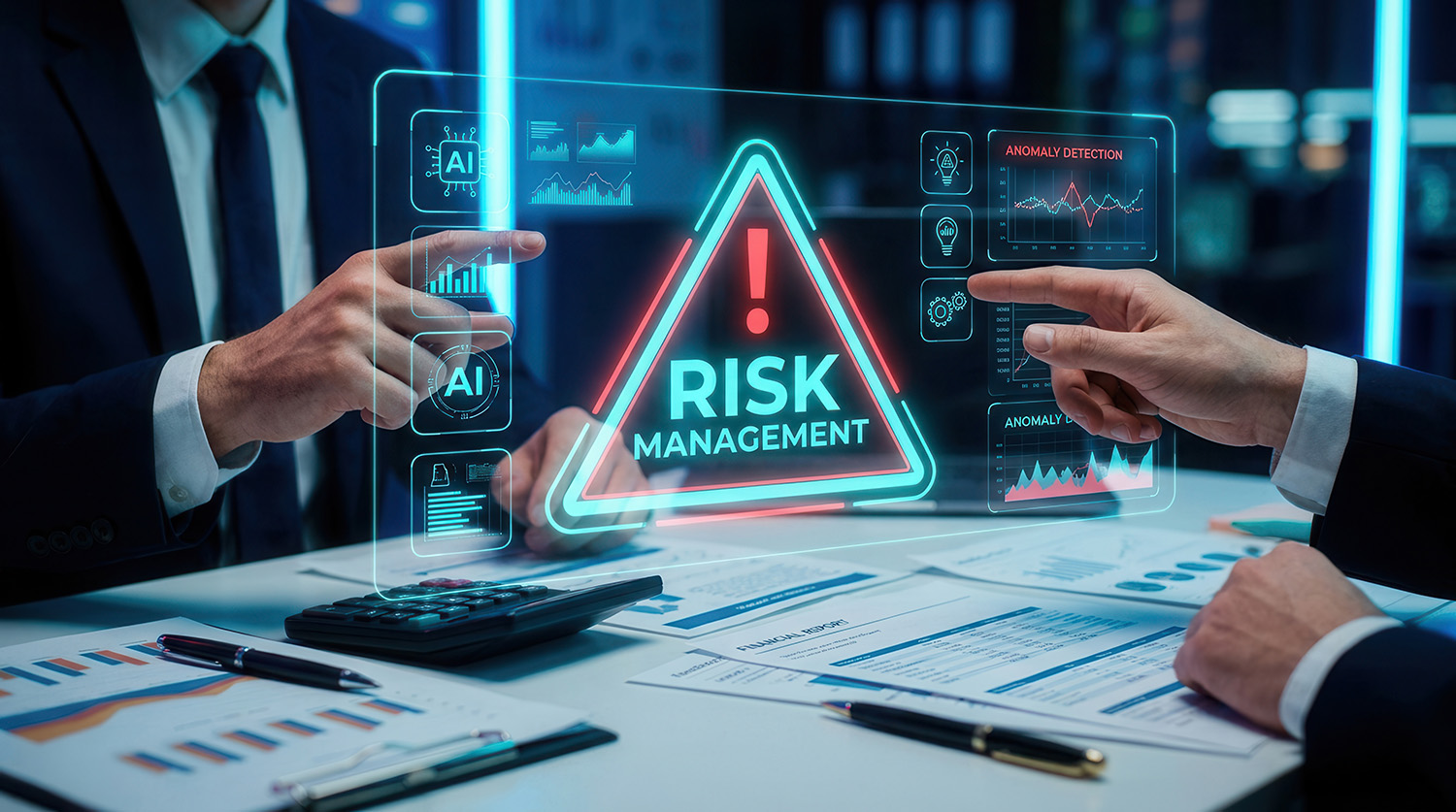
Most Nashville business owners do not mind investing in technology. They just want to know the money is going toward the right problem while helping reduce technology risks that could impact their business.
That is harder to judge than it sounds.
Everything may appear to be working. Employees can access the systems they need, customers are being served, and nothing feels urgent. Then one overlooked weakness turns a routine upgrade into a much larger expense.
Before deciding what to buy next, it helps to ask a different question: What could interrupt the business first?
Why Don’t Technology Risks Always Show Up Right Away?
Not all technology risks announce themselves.
A server can keep running after it is no longer supported. A backup can appear successful without anyone confirming that the data can actually be restored. An important application can work today while becoming harder and more expensive to replace tomorrow.
That is what makes hidden technology risks expensive. The warning often arrives at the same time as the disruption.
A technology risk assessment is not simply a search for broken equipment. It looks for weaknesses that could affect the company before they become emergencies.
A practical review may uncover:
- Aging systems nearing the end of support
- Backups that have not been tested through a full recovery
- Applications that no longer support the way the company operates
- Security updates that have fallen behind
- A single system, vendor, or employee the company depends on too heavily
Finding these issues does not mean everything needs to be replaced immediately. It means leadership can decide what matters before the next budget decision is made.
What Should a Business Look at First?
Technology planning often begins with the wrong question: What should we buy next?
A better place to start is with the work the company cannot afford to interrupt.
Ask:
- Which systems does the company depend on every day?
- What would stop if one of those systems failed?
- How long could the company continue without it?
- Could the system be restored, replaced, or worked around?
- Which failure would affect customers, revenue, or employees first?
If those answers are unclear, how confident can anyone be that the next IT purchase is the right priority?
This is where a business impact review becomes useful. It connects technology decisions to operations instead of ranking projects by age, frustration, or whoever asked most recently.
Can the Most Obvious Upgrade Still Be the Wrong One?
Imagine replacing every office computer because they are getting older while the backup system has gone untested for years.
The new computers may make everyday work a little easier. But if the company cannot recover its critical data after a failure, the larger risk is still sitting there.
The purchase was not necessarily bad. It was simply made without comparing it to what could hurt the business more.
That is why identifying technology risks should happen before budgets are finalized. Businesses may also use Managed IT Services to add another perspective before major investments are approved.
For a broader look at connecting technology decisions to company goals, read How Does Business Technology Planning Support Long-Term Growth?
How Does a Risk Assessment Change the Decision?
Once the risks are visible, the decision usually becomes easier.
Instead of reacting to the loudest request, leadership can compare each investment against three things: the likelihood of failure, the effect on the company, and the cost of waiting.
That does not create a perfect forecast. It does create a defensible reason for what comes first.
Technology stops being a shopping list and becomes part of the business plan.
What Should You Do Before Your Next IT Investment?
You do not need to overhaul everything to make a better decision.
Start by understanding what the company already relies on, where the greatest interruption could come from, and whether the current systems can support the next stage of the business.
One final question is worth asking: If the company grew twice as fast over the next year, would its technology keep up or become the bottleneck?
If you are not sure, would it help to get a quick picture of where the greatest exposure may be?
The Cyber Risk Exposure Calculator takes under 60 seconds. After you complete it, we will email you the results along with the Cyber Incident Survival Guide for Business Leaders.
Frequently Asked Questions
Q: Why should a business review technology before approving a budget?
A: A review helps ensure spending addresses business priorities instead of reacting to immediate requests or replacing whatever looks oldest.
Q: How can proactive planning reduce technology risk?
A: Regular reviews and planned improvements give the company time to address weaknesses before a failure forces a rushed decision.
Q: What should leaders ask before approving an IT investment?
A: Ask what risk the investment addresses, what happens if it is delayed, and how it supports the company’s operations and goals.
Q: How can I find a local IT risk consultant near me?
A: Look for a consultant who understands business operations as well as technology. Alpha & Omega serves businesses throughout Nashville, Tn.
Q: Why work with Alpha & Omega on technology assessments?
A: Alpha & Omega’s Managed IT Services help businesses assess risk, prioritize improvements, and build practical technology roadmaps.
